
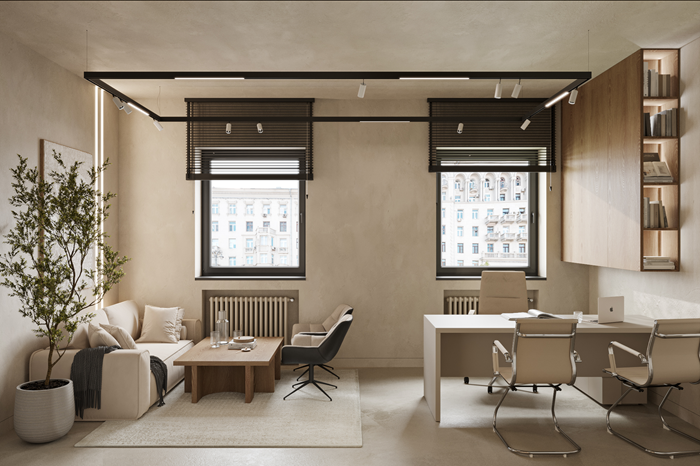
3D visualization in construction helps transform drawings and technical specifications into a clear picture of the future project: from volumes and materials to lighting, environments, and usage scenarios. It is a tool that connects the architect, engineer, developer, and client, reducing the likelihood of project misunderstandings and speeding up approvals.
Today, 3D is used not only in marketing but also in design: for clash checking, selecting design solutions, and assessing ergonomics and layouts. The market also sees highly specialized requests, such as dubai residential real estate visualization, where premium materials, accurate lighting, and a high level of interior detail are essential.
Key Advantages of 3D Visualization
- Clarity for all parties: visual language is simpler than drawings, so decisions are made faster.
- Error Reduction: It’s easier to identify inconsistencies in layouts, heights, walkways, furniture placement, and utility system layouts.
- Time and Budget Savings: Corrections during the visualization stage are cheaper than rework during construction.
- Speedier Approvals: Visual materials are easier to approve with the client, management company, and municipal authorities.
- Marketing Effect: Photorealistic renderings and animations increase trust and help sell the project before completion.
- Concept Validation: You can compare several façade, finishing, landscaping, and lighting solutions and select the optimal one.
The Purpose of a 3D Model at Different Project Stages: From Concept to Design Supervision
A 3D model in a construction project performs various functions at every stage: from concept verification and approvals to the release of working documentation and on-site implementation monitoring. The earlier the model is included in the process, the lower the risk of re-approvals, errors in components, and discrepancies between the design and the actual implementation.
The key rule is to maintain the model’s level of detail consistent with the current stage and document what is considered “true”: the concept, the BIM model, working drawings, or as-built data. This allows visualization to be used as a decision-management tool, rather than as a “presentation image.”
Summary: What a 3D model provides throughout the lifecycle
At the concept stage, 3D helps quickly compare space-planning options, assess the fit within the surrounding environment, insolation, and basic technical and economic indicators. Visualization at this stage reduces the cost of errors: changes are cheapest at the beginning.
At the design stage, the model becomes a means of coordinating disciplines (architectural, construction, environmental, water, and electrical engineering), identifying clashes, and refining components. 3D ensures a unified understanding of decisions within the team and facilitates approvals with the client and expert bodies.
At the work stage, the 3D model supports the production of detailed design documentation sets, specifications, and lists, as well as verification of installation feasibility. A properly configured model accelerates the preparation of data for estimates, procurement, and work planning.
During construction and author supervision, 3D is used to verify compliance of work performed with the design, clarify complex issues with the contractor, promptly record changes, and prepare adjustments. Visual inspection of components, routes, and connections reduces the risk of rework and conflicts on site.
- Unified decision logic: the model links the concept, design, working documentation, and construction.
- Fewer errors: early verification and collision control reduce rework.
- Faster approvals: clear visualization accelerates decision making.
- More transparent costs and schedules: the model supports specifications, volumes, and planning.
- Quality control of implementation: during author supervision, 3D helps accurately compare design and actual work.