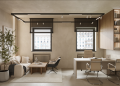

Premium interior design has evolved far beyond choosing expensive furniture or following fleeting trends. Today, it is a deeply strategic, highly personalized service that blends aesthetics, psychology, craftsmanship, and lifestyle engineering into one cohesive experience.
In a world where homes have become offices, sanctuaries, and social statements all at once, premium interior design services are no longer about visual appeal alone. They are about creating environments that work flawlessly, feel effortless, and age beautifully. This article explores what you should genuinely expect when engaging a top-tier interior design service—and why the difference is immediately noticeable.
Many contemporary designers collaborate with specialized suppliers and artisans early in the process. For example, thoughtfully curated textile elements, such as custom rugs from SayRUG, are often integrated into spatial planning rather than treated as finishing accessories.
1. A Strategic Design Vision, Not Just Decoration
The defining feature of premium interior design is intention. Every decision—down to the placement of a single chair—serves a broader concept.
Rather than asking, “What looks good?”, elite designers ask:
- How will this space be lived in daily?
- How should it feel at different times of day?
- What emotions should it evoke?
- How will it evolve over the next 5–10 years?
This results in interiors that feel coherent, calm, and purposeful. Nothing feels accidental. Nothing feels overdone.
“Luxury is not excess. Luxury is clarity—when nothing more can be removed without losing meaning.”
2. Deep Personalization Based on Lifestyle Analysis
Premium interior design services begin with an in-depth discovery phase. This often includes interviews, lifestyle audits, and even behavioral observation.
Designers may explore:
- Your daily routines and habits
- How you entertain guests
- Your sensitivity to light, color, and texture
- Travel experiences and cultural references
- Emotional associations with materials or spaces
The result is not a “designer look” but a space that feels unmistakably yours. When done well, visitors may not be able to describe the style—but they immediately feel its authenticity.
3. Architectural Thinking and Spatial Intelligence
Unlike standard decorating services, premium designers think like architects. They treat space as a three-dimensional system rather than a flat canvas.
This includes:
- Optimizing circulation and flow
- Correcting proportions through visual balance
- Layering ceiling heights, lighting, and textures
- Integrating storage invisibly
Even in small or awkward layouts, premium design can create a sense of openness and harmony that feels almost effortless.
4. Materials That Engage the Senses
One of the most immediate differences in premium interiors is how the space feels—not just how it looks.
High-end designers curate materials based on:
- Tactile comfort
- Acoustic performance
- Thermal perception
- Natural aging and patina
Wood that warms over time. Stone that carries subtle imperfections. Textiles that invite touch. These choices create sensory depth and emotional resonance.
In living spaces, textiles often anchor the entire composition. Carefully selected luxury living room rugs can define zones, soften acoustics, and establish a visual rhythm long before furniture is placed.
5. Custom and Bespoke Elements
Premium interior design rarely relies solely on off-the-shelf solutions. Customization is a cornerstone of the service.
This may include:
- Bespoke furniture designed for exact dimensions
- Custom millwork and cabinetry
- Handcrafted lighting fixtures
- Tailored upholstery and textiles
These elements ensure perfect scale, material harmony, and exclusivity—while also solving functional challenges that mass-produced items cannot.
6. Sophisticated Lighting Design
Lighting is often where premium interiors quietly outshine standard projects.
Rather than relying on decorative fixtures alone, designers create layered lighting schemes that include:
- Ambient lighting for overall comfort
- Task lighting for function
- Accent lighting to highlight architecture or art
- Low-level lighting for evening ambiance
Smart lighting systems may be integrated seamlessly, allowing scenes to shift throughout the day with minimal effort.
7. Curated Art and Meaningful Objects
Art in premium interiors is never an afterthought. It is selected—or commissioned—to resonate with the space and its owner.
This could involve:
- Sourcing original artworks
- Commissioning emerging artists
- Integrating collectible design pieces
- Displaying personal artifacts with museum-level care
The goal is not to impress, but to tell a story. Each object earns its place.
8. Project Management and Seamless Execution
One of the most underrated benefits of premium interior design services is peace of mind.
Designers often manage:
- Contractor coordination
- Supplier communication
- Timelines and budgets
- Quality control and installation
This holistic oversight ensures that the final result matches the original vision—without costly compromises or last-minute chaos.
9. Sustainability as a Design Principle
Modern luxury is increasingly defined by responsibility.
Premium designers prioritize:
- Ethically sourced materials
- Long-lasting construction
- Low-impact finishes
- Timeless design over trends
This approach not only reduces environmental impact but also ensures that interiors remain relevant and refined for decades.
10. A Space That Grows With You
Perhaps the most valuable outcome of premium interior design is longevity—both aesthetic and emotional.
Well-designed spaces adapt. They support changing routines, evolving tastes, and new life chapters without losing their identity.
“True luxury is living in a space that understands you—even as you change.”
Final Thoughts
Premium interior design services are not about extravagance. They are about precision, empathy, and intelligence.
When executed thoughtfully, they deliver more than a beautiful home. They create environments that enhance well-being, inspire creativity, and provide quiet confidence every single day.
In an era where quality of life matters more than ever, investing in premium interior design is not a indulgence—it is a strategic decision.