
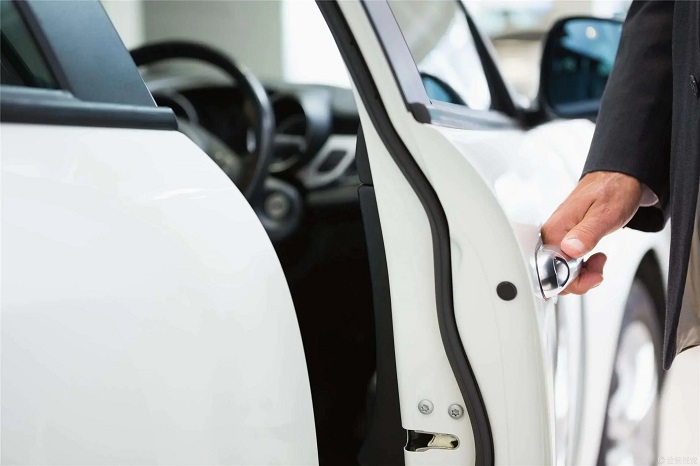
Car unlocking is a set of procedures for gaining access to the interior or lock without damaging the body or components when keys are lost, locked inside, or the mechanism has failed. The procedure requires proof of ownership or legal use of the vehicle, as well as compliance with safety and liability regulations to eliminate the risk of unauthorized entry.
The essence of this service lies in selecting the correct method for the specific lock design, type of security system, and vehicle condition: from careful mechanical access to electronic work, if required by regulations. In some situations, after unlocking, it may be necessary to restore access and make a new key, including a car key replacement Guelph, to prevent recurrence and maintain the vehicle’s standard security.
Legal Grounds: When Keyless Car Opening is Permissible
It is important to distinguish between legal vehicle entry (e.g., at the owner’s request, in an emergency, or as part of legal proceedings) and unauthorized entry into a vehicle. The latter may constitute an administrative offense or a crime, especially if the actions involve damage to property, theft, or other selfish motives.
When can car break-in be considered lawful?
With the owner’s consent, car break-ins are most often carried out in everyday situations: keys are lost, left inside, or the lock is faulty. In such cases, the lawfulness of the break-in is ensured by the owner’s will being in effect, and the service provider (emergency break-in service) identifies the customer and records the reason for the request.
If there is legal ownership (for example, the car is transferred under a power of attorney, a rental/leasing agreement, or is in the possession of the legal owner), keyless opening is also possible. It is essential that the person has documents confirming the right to use the vehicle and that there is no dispute over ownership.
In a situation of extreme necessity, opening the vehicle without a key is permissible if it is necessary to prevent significant harm by other means, and delay could lead to serious consequences. Examples: a threat to the life or health of a person in a locked vehicle, a risk of fire, or the urgent need to remove medications or equipment. In such cases, proportionality of actions and minimizing damage are important.
- Owner’s initiative: verification of identity, documents, and vehicle title.
- Legal user’s initiative: availability of a contract/power of attorney and vehicle documents.
- Emergency situation: priority is given to preventing harm while taking reasonable measures.
Opening a vehicle at the request of authorized authorities
Law enforcement and other authorized agencies may gain access to a vehicle without a key if there are grounds provided by law and in compliance with procedural procedures. This may be related to ensuring security, preventing an offense, detention, inspection, or seizure of items and documents, as well as other actions expressly permitted by law.
The key principle is the existence of authority and the documentation of actions. Depending on the situation, a ruling, a protocol, the participation of witnesses, or the use of video recording may be required, as well as subsequent delivery of copies of procedural documents to interested parties. In the absence of proper grounds and documentation, actions may be deemed unlawful, and the damages caused may be subject to compensation.
- The presence of a legal basis (procedural decision or a case provided for by law).
- Compliance with procedure (recording, recording, notification, and, if necessary, witnesses/video recording).
- Proportionality (minimum necessary intervention and careful handling of property).