In 2025, interior design is undergoing one of the most notable shifts of the decade: homeowners and commercial developers are moving away from flat painted walls and embracing textured, durable, and visually expressive finishes. From decorative plaster to concrete-effect coatings and modern wallpaper technologies, wall surfaces are becoming a central design element rather than a background detail.
Analysts attribute this shift to the rising demand for personalized interiors, post-pandemic lifestyle changes, and the global move toward natural materials and architectural texture.
A Global Turn Toward Depth and Materiality
For decades, smooth painted walls dominated both residential and commercial construction. However, designers now report growing interest in finishes that introduce depth, tactility, and mood.
Decorative plaster — once considered a luxury reserved for hotels, villas, and premium commercial real estate — has entered mainstream renovation. Its ability to replicate stone, concrete, lime, clay, or mineral surfaces makes it adaptable to a wide range of architectural styles.
Interior experts explain that textured surfaces create a more grounded, comfortable atmosphere. This psychological shift became especially visible after the remote-work boom, as people redesigned their homes into functional, aesthetic living spaces.
Concrete-Effect Walls: The Leading Trend of 2025
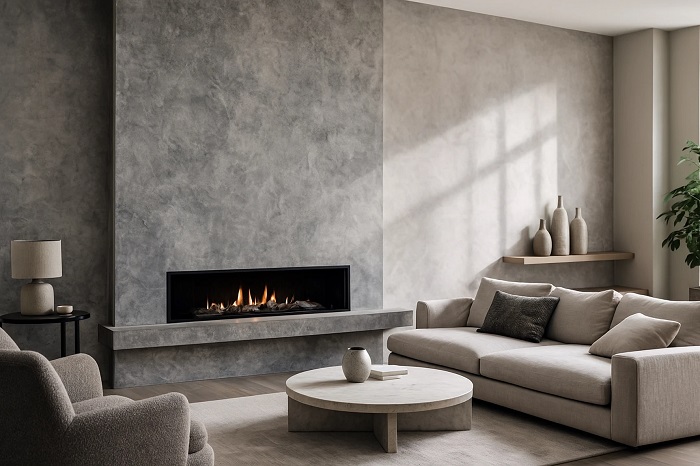
Concrete-style finishes continue to dominate global design trends, but their 2025 interpretation differs from the harsh industrial look of previous years. Today’s concrete walls are warmer, softer, and more nuanced, balancing minimalism with natural character.
Wall finishing specialists at EnjoyTheWall note a sharp rise in demand for soft concrete microtextures in modern homes. According to the company, homeowners increasingly want surfaces that look architectural but remain subtle, avoiding the overly raw aesthetic popular in the early 2010s.
Designers say this evolution reflects a broader movement toward “quiet luxury”—a preference for clean lines, natural tones, and understated sophistication.
The Evolution of Wallpaper: Technology Meets Aesthetics
Wallpaper technology has advanced significantly over the past decade. Modern non-woven wallpapers, breathable materials, and improved adhesives make installations more durable and environmentally friendly.
Natural-texture wallpapers — including linen, sisal, grasscloth, and silk-inspired patterns — are gaining traction worldwide. These materials add light, warmth, and tactile depth, making them especially popular in bedrooms, living rooms, and boutique commercial interiors.
However, professionals warn about the risks of DIY installation. Complex materials like grasscloth require precise alignment and careful handling to avoid visible seams or damage. Even vinyl and embossed wallpapers benefit from expert application, as precision directly affects longevity and appearance.
Craftsmanship Becomes a Key Market Force
With the growing complexity of wall materials, skilled craftsmanship is becoming essential. Installers must understand substrate preparation, leveling techniques, humidity control, adhesive chemistry, and long-term durability factors.
Design specialists emphasize that premium finishes can fail quickly if installed incorrectly. This new level of technical responsibility has led to increased demand for qualified installers and professional wall finishing services across North America and Europe.
Analysts predict that by 2026, craftsmanship will become a major differentiator in the global renovation market, with homeowners prioritizing quality over cost savings.
A Trend Shaping Homes Worldwide
From Denver to Berlin, from London to the Caribbean, textured walls and decorative plasters are reshaping the way people design and experience their spaces. What started as a high-end trend has become a global movement toward expressive, long-lasting, and tactile interiors.
As the industry continues to evolve, homeowners are choosing materials that elevate both the aesthetic and emotional comfort of their living environments — marking one of the most significant transformations in modern interior design.