In the food, beverage, and pharmaceutical industries, refrigeration equipment is not merely part of the facility’s layout; it is the foundation of operations. A cold storage breakdown in the middle of the workday is not just a minor inconvenience—it is a direct threat to profitability.
When seeking commercial refrigeration repair services, clients look for more than just a repair technician; they seek a technical partner capable of minimizing downtime.
Key Characteristics
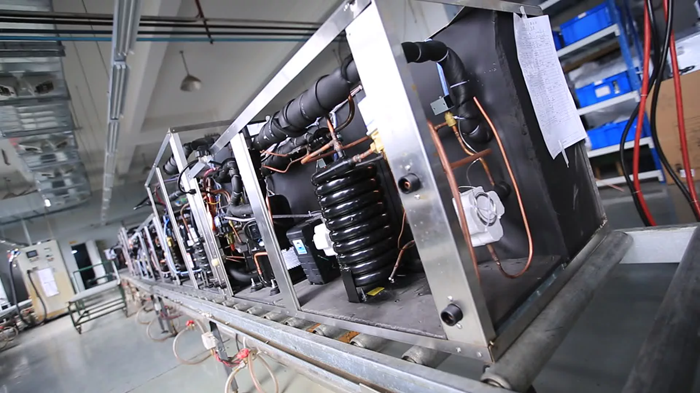
Commercial refrigeration differs fundamentally from residential systems. Professional-grade systems operate 24/7 under constant load. High ambient temperatures—common in major metropolitan areas—combined with external contaminants like grease, dust, and soot, push compressors and condensers to their operational limits. The traditional “fix-it-when-it-breaks” approach is far too costly for businesses.
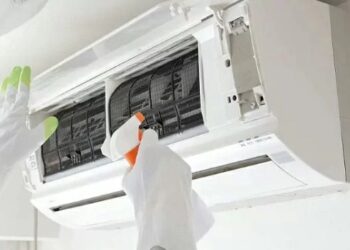
Cold Commercial operates at the intersection of thermodynamics, electronics, and logistics. The service team’s primary goal is not simply to patch a refrigerant leak, but to restore the system to peak energy efficiency. Quality repair involves deep cleaning, electrical circuit inspections, and controller calibration, enabling the equipment to run more quietly, maintain lower temperatures, and operate more cost-effectively.
The Service Ecosystem
Commercial refrigeration repair services have evolved from simple emergency response to comprehensive equipment lifecycle management. Leading market players like Cold Commercial structure their operations around three key objectives:
- Emergency Support. Professional service guarantees the arrival of a licensed technician within hours, regardless of whether the breakdown occurs on a Sunday morning or Christmas Eve.
- Scheduled Maintenance. Instead of waiting for a system failure, specialists perform routine maintenance: checking oil acidity levels, testing defrost systems, cleaning drainage systems, and verifying circuit tightness.
- The most advanced level involves IoT monitoring and predictive analytics. Installing wireless temperature and current sensors enables real-time monitoring of the storage units’ condition.
Particular attention is paid to operations involving medical facilities and pharmacies, where “cold chain” requirements are legally mandated. In these cases, the process entails mandatory documentation, such as providing temperature logs and equipment calibration certificates to pass audits.